
It is true that children love to ride! My child and many other youngsters are enthusiastic about riding bicycles. So getting your kid started learning how to ride a bike is a smart thing to do. However, what kind of bikes would be ideal for your youngster is a major issue.
It’s good to know that once we locate the appropriate information, you’ll be guided well. We’ll go through some of the most essential issues about children’s bikes, such as the types of bikes that would suit your child and the sizing chart, so you can figure out what type of bike is best for your kid.
Most children these days like to ride their bicycles. But, as parents, we are also concerned about their safety! Aside from that, I’d want to share some of the health advantages that our children may gain if we encourage them to bike. There are several health advantages you’ll be happy to learn more about. And of course, I won’t forget to offer you advice on how to keep your kids safe while cycling.
Types of Bikes for Kids
There are several sorts of bicycles to consider when purchasing for your child. Let me go over the many types of bikes so you can make an educated decision; knowing them will assist you in selecting the correct bike for your child:
Balance bikes
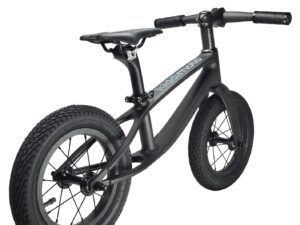
Balance bikes are a type of ride bike that does not have a chain or pedals. Children coast or walk on balance bikes with their feet acting as brakes. This sort of bike aids in the learning of two- to five-year-olds how to maintain their balance and steer.
Balance bikes are often manufactured with no brakes, so it is important to teach your child how to use them.

Training wheels bikes:
These bikes have an extra wheel or wheels that are parallel to the rear bike wheel, which helps kids learn to balance until they’ve gotten a sense of equilibrium. These bikes may help boost youngsters’ self-esteem and give them the confidence they need to ride on their own. The training wheels can be removed as soon as there is confidence.

Tricycles
If compared to adult trikes, these tricycles for kids are a lot simpler, having no gears or brakes and most of the time having crude front-drive. These trikes are used by kids between the ages of 2 and 5. The child rides in the center of the trike, and with a little help, they can propel themselves.

There are some trike bikes having a push bar in order for the adults to control the trike.
Kid’s road bikes
If your child is ready for a two-wheeler, avoid purchasing a road bike that will ultimately become too small. This might delay the youngster by a few years. These bikes come in various shapes and sizes, ranging from bicycles with flat bars and upright riding postures to tiny adult road bikes with drop-bar handlebars that place the kid in a more aerodynamic riding position.

A flat-bar bike is an excellent option for a youngster who will be riding to school or cruising around the neighborhood. And a drop-bar road bike might be perfect if you have a young racer on your hands.
Kid’s cruiser bikes
These are the type of bikes that prioritize fun over practicality and are often brightly colored and adorned with eye-catching graphics. They include comfortable seats, a small single-speed gearing coaster brake system, and durable steel frames with full balloon tires for traction and stability.

These bikes are designed to be used by children for short bike excursions around the neighborhood and along easy paths.
Kid’s BMX bikes
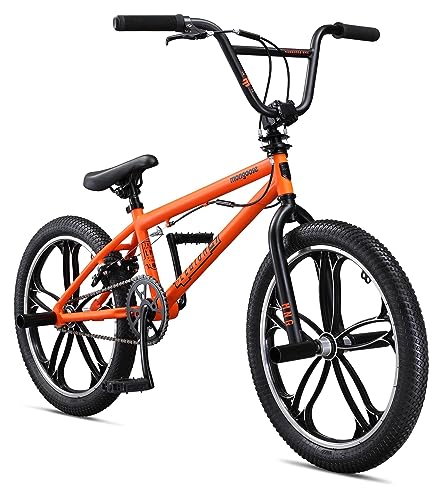
These dirt bikes are intended for racing over jumps as well as around banked turns in the dirt, which are now known for almost everything. They have lightweight frames and deeply treaded tires, and most have 20-inch wheels. Some BMX bicycles have 16 inches wheels and are designed for beginners.
Kid’s mountain bikes
Mountain bikes for youngsters have smaller wheels (24 inches) and are built to accommodate children with shorter legs. Most of these bikes are less-expensive versions of adult mountain bikes with simpler components and front suspension forks rather than a full suspension.
The bump absorption of these suspension forks helps to reduce arm and hand fatigue while cycling. Children aged 10 to 13 are most suited to mountain bikes, however, this depends on the kid’s size.

As a parent or adult, you must select the best sort of bike for your child. And I hope you get some ideas from the options I’ve outlined above!
How to choose the right size bike for your child?
Here we come to another very crucial thing to consider once letting your child go biking – the size of bikes perfect for every child’s age. Continue reading to learn more!
2-5 years
At this age, you should be able to tell if your child is ready to ride a kid’s bike. Because coordination and balance develop at various paces, you must assess each person on an individual basis.
Some youngsters may discover that riding a balance bike is enjoyable because it helps children learn to balance the bicycle without having to concentrate on pedaling. It’s a good idea for kids to start with a balance bike.
Those who have less coordination may benefit from utilizing a three-wheeler or a tricycle until they are 4 years old. The majority of children are capable of riding without training wheels between the ages of 4 and 5, even if they haven’t received any instruction.
The smallest children’s bikes have 12-inch wheels with backpedaling or coaster brakes, direct drive, and stabilizers.
4-8 years
Now, if your kid is between the ages of four and eight years old, she or he is ready to use their bike for confidence. 14 to 16 inches wheel bicycles are the best choice for these ages. Those with solely hand brakes should be avoided because most children will have difficulty using them correctly.
Single-speed bicycles have a coaster brake, and it’s preferable to search for one with hand brakes, even if it has a coaster brake. Single-speed bikes up to 16 inches are usually considered single-speed m bikes, but they may also include hand brakes.
6-9 years
At this point, the children are ready to go! In this age group, many children are eager to ride their first BMX bike with 20-inch tires, particularly at the age of 7. You only need to be aware of the crank length.
Crank length is the measurement from the center of the spindle to the center of the pedal. In most situations, they should be no more than 20% of the inside leg measurement. The cranks may become considerably longer if the BMX is built for a bigger rider, making it difficult for your kid to control.
8-12 years
If your youngster is already enthusiastic, this might be the age at which he or she can try out road bikes. Most bike manufacturers produce 24-inch kid’s road bikes, so if you’re a family of bikers, your child will appreciate a road bike.
The majority of the children’s bicycles aimed at kids between the ages of 8 and 12 are comparable to smaller versions of adult mountain bikes. It is important to consider the child’s riding habits and match them to the types of kid’s bicycles available.
Over 12 years
Finally, if you have a kid who is 12 years old or more, a 24-inch bike might already be an excellent choice. In reality, bigger kids might ride small-framed 26-inch wheel adult bikes if they are experienced riders.
However, it is better to invest in a bike that fits than one that will eventually fit.
Take a look at this table to see how it may help you choose the correct size bike for your child:
| Age | Child’s Height | Inseam | Bike Size (from wheel diameter) |
| 2 to 5 years old | 26 to 36 inches 66 to 91 centimeters | 14 to 18 inches 35 to 45 centimeters | 12 inches |
| 4 to 8 years old | 34 to 42 inches 86 to 107 centimeters | 16 to 22 inches 40 to 56 centimeters | 14 inches |
| 6 to 9 years old | 42 to 48 inches 107 to 122 centimeters | 20 to 24 inches 51 to 61 centimeters | 18 inches |
| 8 to 12 years old | 48 to 56 inches 122 to 142 centimeters | 22 to 25 inches 55 to 63 centimeters | 20 inches |
| Over 9 years old | 50 to 62 inches 127 to 156 centimeters | 24 to 28 inches 60 to 72 centimeters | 24 inches |
Kid’s Bikes Safety Tips
Of course, as parents, we want our kids to be happy as they go biking, but we also think about their safety. Apart from providing them with the best bike that suits them, monitoring and guiding them to be safe must also be considered.
Here, I will give you some bike safety tips for your kids to have a safe cycling journey. Please consider these suggestions below:
Wear a Helmet
Before you let your child go riding, be sure he or she is wearing a helmet. Wearing a helmet is critical to preventing head injuries caused by bicycle accidents.
But, of course, you must choose the appropriate helmet for your child. Nonetheless, allowing children to pick their own helmets may help them enjoy wearing them on every ride. Teach your youngsters how to wear their helmets correctly as well.
Remember this: A helmet must rest on top of the head in a level position and must not rock side to side or back. The chin strap of the helmet should be buckled at all times, however not too tightly.
Proper accessories and maintenance
If the kids are sitting in the bike’s seat, their feet must touch the ground. You should also double-check that their reflectors, which are secured, that the brakes function properly, that the tires are tightly fastened and adequately inflated, and that the gears shift smoothly before you set out on your ride.
Because loose or lengthy clothing might get tangled in the bike chains or wheel spokes, you must clothe your children properly for a safer ride.
Always Keep an Eye Out
You’ll also need to keep an eye on the youngsters until you’re confident they can ride safely by themselves.
It’s up to you to set the example and teach good behavior.
Parents are the ones who teach their children how to ride correctly. You’re an important role model for youngsters, so be sure to exhibit good conduct like encouraging them to use a helmet. You may also instruct them on how to make direct eye contact with motorists.
It’s best to instruct the children to travel on the right side of the road, away from traffic. You may also utilize hand signals and must teach them how to obey traffic lights.
As a parent, providing an excellent example will go a long way in teaching your child how to ride correctly.
Conclusion
Every parent or grownup has a part in making kids’ biking more successful and pleasurable! With the tips above, I hope you can come up with really fantastic ideas that will assist you in guiding your youngster.
Let your child learn and enjoy the benefits of cycling!